
.webp)

Buying a house with a basement apartment in Toronto can be an attractive option for homebuyers who want additional rental income, investors looking for income-producing properties, or families who need a separate living space for relatives. Instead of purchasing a property that only serves as a place to live, buyers may have an opportunity to combine homeownership with a rental income strategy.
However, not every home with a finished basement is a good investment. Before making an offer, it is important to understand the property's legal status, condition, potential rental income, operating expenses, and long-term value.
If you are searching for homes with basement apartments in Toronto, here are the key factors to consider before buying.
1. Verify Whether the Basement Apartment Is Legal
One of the first things to investigate is whether the basement apartment complies with applicable municipal zoning, building code, and fire safety requirements.
A property listing may describe a basement as a rental suite, in-law suite, or separate apartment. However, these descriptions alone do not establish that the unit is legally compliant.
In Toronto, secondary suites are generally permitted in detached houses, semi-detached houses, and townhouses, subject to the applicable zoning and building requirements. Depending on the property and the work completed, permits and supporting documentation may be necessary.
Before purchasing, ask for:
Available building permits and related inspection records.
Documentation showing the status of the secondary suite.
Information about any renovations or alterations made to the basement.
Confirmation of applicable zoning and building requirements.
Details of any outstanding orders, unresolved deficiencies, or compliance concerns.
The City of Toronto provides information about secondary suites and the building permit process through its official website.
You can review the City's Secondary Suites Guide.
If documentation is missing or the unit's status is unclear, consider seeking advice from the appropriate City department and qualified building professionals before proceeding.
2. Evaluate the Basement's Condition
Even when a basement apartment appears attractive during a viewing, buyers should investigate the condition of the space carefully.
Basements can be more vulnerable to moisture, water intrusion, drainage issues, and inadequate ventilation than above-ground living areas. These problems can become expensive if they require substantial repairs after closing.
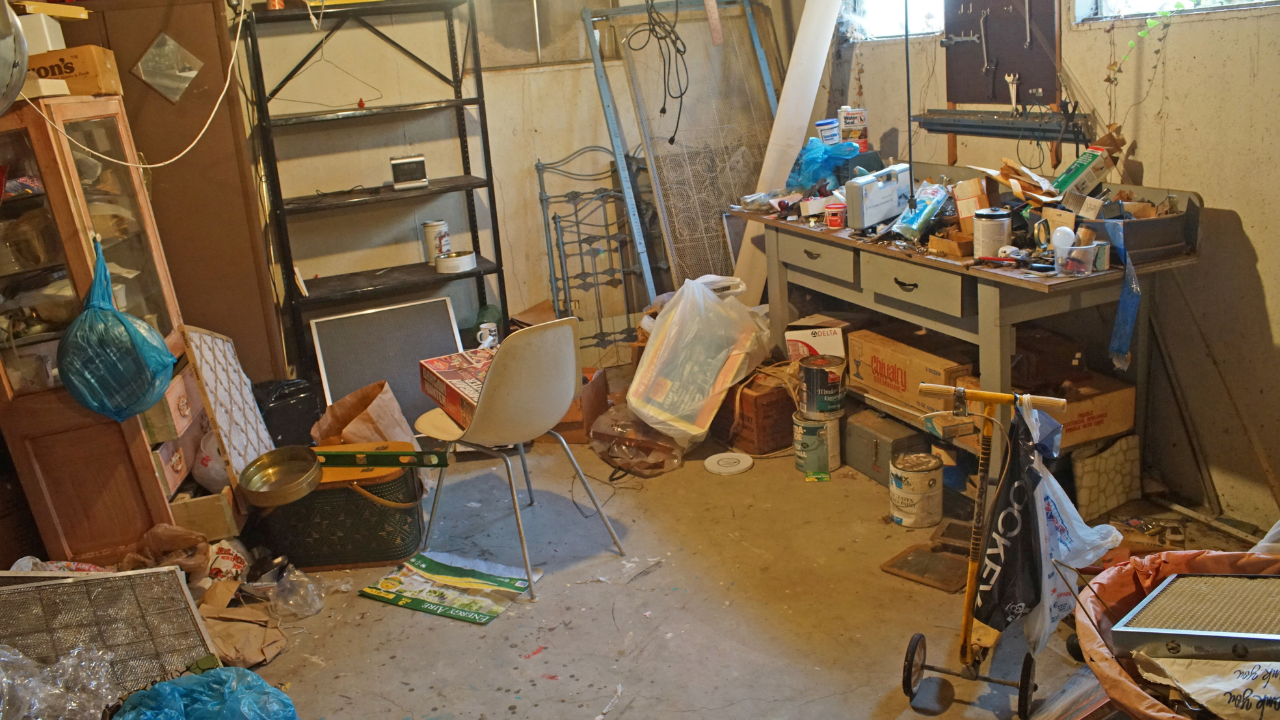
During your property viewing, look for:
Water stains or discolouration on walls and ceilings.
Musty odours or visible signs of mould.
Cracks in foundation walls or floors.
Signs of previous flooding or water damage.
Poor ventilation or excessive humidity.
Uneven floors and deteriorating finishes.
Plumbing or electrical issues.
A freshly painted wall or newly installed flooring does not necessarily mean the underlying structure is in good condition.
Consider arranging a professional home inspection, with additional specialist assessments if concerns arise. Depending on the property, this may include foundation, drainage, waterproofing, electrical, or plumbing evaluations.
Understanding the basement's condition helps you estimate future expenses and avoid overpaying for a property that needs significant repairs.
3. Check the Layout, Ceiling Height, and Emergency Exits
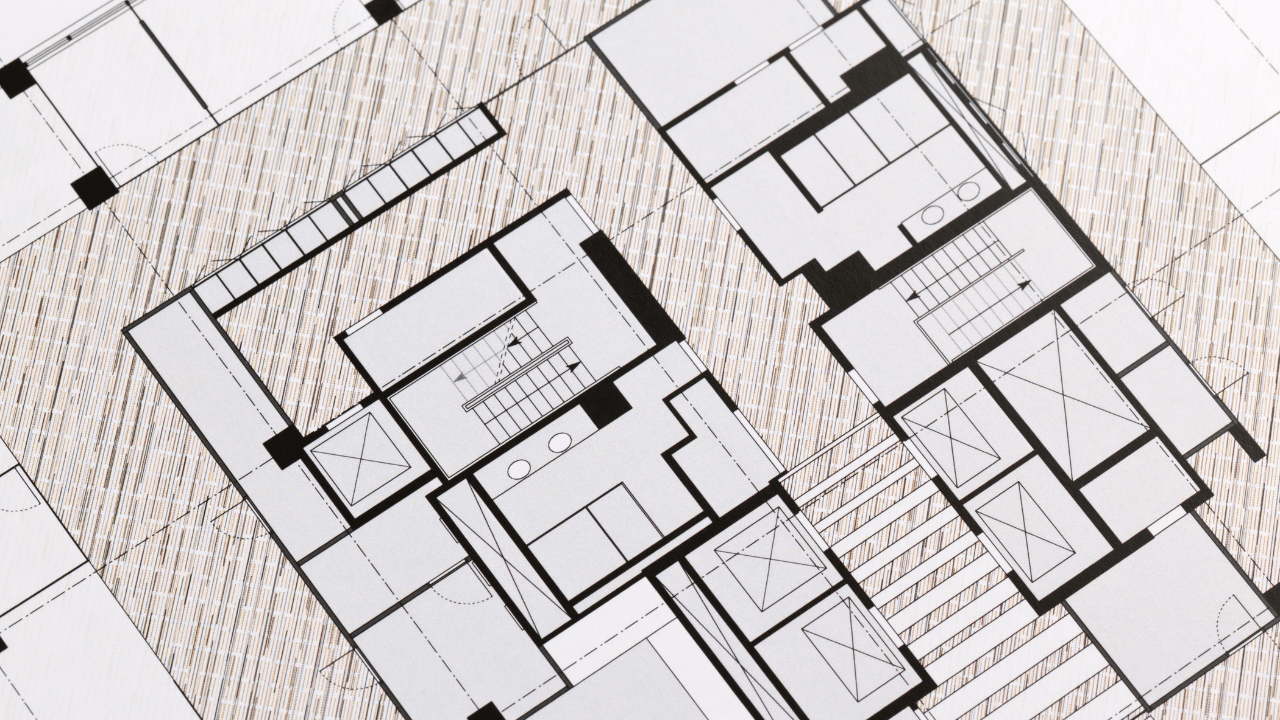
The layout of a basement apartment affects its functionality, comfort, and suitability for long-term occupancy.
A well-designed unit may include a separate entrance, kitchen, bathroom, bedroom, living area, and storage space. However, having these features does not automatically mean the suite meets all applicable requirements.
Pay particular attention to ceiling height, stairs, windows, exits, and the overall layout. Building code requirements can depend on the building's characteristics and the work being undertaken.
Emergency egress and fire safety deserve special attention. Ask whether the unit has appropriate exit arrangements, smoke alarms, carbon monoxide alarms, and any required fire separations.
Also consider how the basement is accessed. A separate entrance can offer privacy and convenience for both occupants, while a poorly designed entrance may create practical challenges.
If you plan to live upstairs and rent the basement, consider how easily both households can use their respective spaces without unnecessary disruption.
4. Estimate the Potential Rental Income
Rental income is one of the main reasons buyers look for houses with basement apartments in Toronto. However, it is important to use realistic figures rather than relying solely on the rental amount advertised by a seller.
Start by researching comparable rental units in the same neighbourhood. Consider the number of bedrooms, unit size, condition, utilities, parking, access to transit, and included amenities.
Then estimate the potential monthly income based on comparable properties.
For example, suppose a basement apartment could rent for $1,800 per month. That would represent $21,600 in gross annual rental income if occupied and rented at that rate for all 12 months.
This is gross income, not profit.
You will still need to account for expenses such as:
Utilities and any portion paid by the owner.
Repairs and ongoing maintenance.
Insurance and property-related expenses.
Periods without a tenant.
Tenant turnover and advertising costs.
Property management, if applicable.
Any additional costs associated with maintaining the rental unit.
The actual income you retain will depend on the property's operating expenses, occupancy, rental arrangements, and financing.
Before making an offer, prepare a realistic estimate of both income and expenses. This will help you determine whether the basement apartment meaningfully improves the property's affordability or investment potential.
5. Understand How Rental Income May Affect Mortgage Qualification
Some buyers hope rental income from a basement apartment will help them qualify for a larger mortgage or make monthly housing costs more manageable.
Lenders may consider eligible rental income when assessing a mortgage application, but the amount they recognize and the method they use can vary.
For example, a lender may apply a percentage of gross rental income or use a net rental income calculation, depending on the financing program and property circumstances.
Do not assume that a lender will count the entire advertised rent toward your qualifying income.
Before purchasing, speak with a mortgage professional about how the property's configuration, legal status, expected rental income, and your personal financial situation may affect qualification.
A financing assessment before making an offer can help you establish a realistic budget and avoid relying on rental income that may not be recognized as expected.
6. Calculate the Property's Overall Investment Potential
A house with a basement apartment should be evaluated based on its overall financial performance, not simply the amount of rent it generates.
Consider the purchase price, mortgage costs, property taxes, insurance, utilities, maintenance, and any immediate repairs that may be required.
For investors, it is also useful to compare similar properties with and without basement apartments. A house with a rental unit may command a higher purchase price, so the additional income should be evaluated against the extra cost.
Ask yourself:
Is the asking price reasonable compared with similar homes?
How much rental income could the property realistically generate?
What are the estimated monthly and annual operating expenses?
Will the property require immediate repairs or upgrades?
Does the rental income justify the additional purchase cost?
Is the property likely to meet my long-term housing or investment goals?
For buyers who intend to live in the main unit, the analysis may be slightly different. The goal might be to offset a portion of the mortgage rather than maximize investment returns.
For investors, it may be more important to assess net operating income, cash flow, financing costs, and the property's longer-term resale potential.
The right approach depends on your objectives, budget, and risk tolerance.
7. Research the Neighbourhood and Tenant Demand
A basement apartment's income potential is influenced by more than the unit itself. Location plays an important role in attracting tenants and supporting long-term demand.
When comparing homes with basement apartments in Toronto, consider the property's proximity to:
TTC stations and major transit routes.
Employment centres and business districts.
Colleges, universities, and educational institutions.
Grocery stores, shopping areas, and essential services.
Parks and community facilities.
Major roads and commuting routes.
Different neighbourhoods appeal to different tenant groups. A unit near transit and employment opportunities may attract commuters, while a location near educational institutions may appeal to students or university employees.
However, strong neighbourhood demand does not guarantee continuous occupancy or a particular rental rate. Research comparable units and assess the property's features before making financial projections.
It is also worth considering the neighbourhood's long-term appeal if you eventually plan to sell the property.
8. Review Existing Tenancy and Landlord Responsibilities
If the basement apartment is already occupied, ask for details about the current tenancy before committing to the purchase.
Important documents and questions may include:
The current lease or tenancy agreement.
The agreed monthly rent and what it includes.
The status of rent payments and any outstanding amounts.
Responsibility for utilities and maintenance.
Any known disputes or unresolved repair issues.
The property's compliance and available rental documentation.
In Ontario, a buyer generally needs to understand the existing tenancy and the applicable landlord-tenant rules before assuming that an occupied property can be delivered vacant or that rent can be changed immediately.
Do not assume that purchasing the property automatically ends an existing tenancy.
If the basement is vacant, investigate why it is not occupied and whether any repairs, compliance work, or other issues could affect its ability to be rented.
Understanding the tenancy situation before closing can help you avoid unexpected complications.
9. Consider the Privacy and Practicalities of Two Households
A basement apartment can provide financial flexibility, but sharing one property with two households requires thoughtful planning.
Consider how the main floor and basement are separated, whether entrances provide adequate privacy, how noise travels between floors, and how utilities are managed.
Ask whether the property has separate heating controls or electrical metering, and clarify how utility costs would be allocated under the proposed rental arrangement.
Parking can also be important, particularly in neighbourhoods where street parking is limited. Verify the property's available parking and any applicable restrictions rather than assuming that every occupant can park on the property.
These practical details can affect tenant satisfaction, the owner's day-to-day experience, and the overall appeal of the home.
10. Look Beyond the Basement Apartment
While the rental unit may be a major reason for purchasing the property, the rest of the house deserves equal attention.
Evaluate the condition of the roof, windows, heating and cooling systems, plumbing, electrical systems, foundation, and other major components. Consider the home's layout, lot size, parking, storage, and future maintenance needs.
Some properties may also offer opportunities to improve the main living space or make other permitted upgrades over time.
For buyers interested in value-add real estate, the best opportunity may be a well-located home with a functional basement apartment and manageable improvement needs.
However, potential upgrades should be assessed realistically. Additional renovation costs, approval requirements, and market conditions can affect the property's eventual value.
The goal is to find a home that makes sense as a complete purchase, rather than relying entirely on the basement rental income to justify the price.
Final Thoughts: Finding the Right Home with a Basement Apartment in Toronto
Buying a house with a basement apartment in Toronto can offer a combination of homeownership, potential rental income, and long-term investment flexibility.
The key is to look beyond the listing description. Verify the suite's status, inspect the basement carefully, estimate realistic rental income, understand your financing options, and review the property's overall condition and financial performance.
Whether you are a first-time buyer hoping to offset housing costs, a family looking for additional living space, or an investor searching for an income-producing property, careful due diligence can help you make a more informed decision.
At Find GTA Listings, Sol Yasin helps buyers explore real estate opportunities with an eye toward both present value and future potential.
If you are looking for homes with basement apartments in Toronto, start by identifying your budget, preferred neighbourhoods, and rental income objectives. From there, you can compare available properties and focus on the opportunities that best align with your goals.
Ready to explore your options?
Contact Sol Yasin to discuss your real estate goals and find a property that fits your plans.
647-207-0470