
.webp)
Mimico is one of Toronto’s established waterfront communities, offering a mix of older homes, modern condominiums, townhouses, and properties with potential for renovation or redevelopment. Located in South Etobicoke along Lake Ontario, Mimico attracts buyers who want access to the waterfront while remaining connected to downtown Toronto.
For some homebuyers, the appeal is a quieter neighbourhood atmosphere with parks, local shops, and community amenities. For others, Mimico presents an opportunity to purchase a property with long-term potential, whether that means renovating an older home, finding a property with rental possibilities, or exploring what a particular lot could offer.
However, buying a home in Mimico requires more than comparing listing prices and looking at photographs. Understanding the neighbourhood, transportation options, property types, and potential costs can help you make a more informed decision.
If you are considering living in Mimico, this guide explores what you should know before buying a property in this part of Toronto.
Where Is Mimico in Toronto?
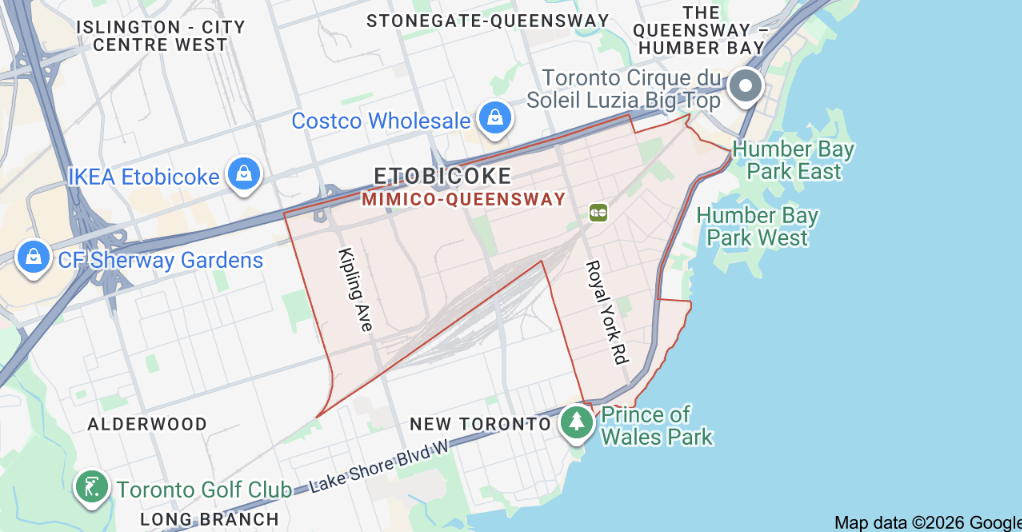
Mimico is located in the former municipality of Etobicoke, within the City of Toronto. Situated along the northwestern shore of Lake Ontario, it is known for its waterfront setting, established residential streets, and access to major transportation routes.
The neighbourhood is particularly appealing to people who want to enjoy a residential environment without giving up convenient access to other parts of the city.
Mimico offers a variety of residential settings. Some streets feature detached and semi-detached homes, while other areas include condominium developments and newer housing options. Near the waterfront, buyers can find properties that offer access to lakefront trails, parks, and views of Lake Ontario.
The character of the neighbourhood can vary significantly from one street to another. A property near the lake may offer a different lifestyle from one closer to a major road or the GO station.
For this reason, buyers should evaluate the specific location of a property rather than assuming every part of Mimico offers the same advantages.
What Is It Like Living in Mimico?

A waterfront lifestyle
One of Mimico’s most recognizable features is its proximity to Lake Ontario. Residents can enjoy waterfront walks, cycling routes, green spaces, and opportunities to spend time outdoors.
The waterfront can be an important lifestyle consideration for buyers who value access to nature without moving outside Toronto.
However, proximity to the lake does not automatically mean every property has a lake view or direct waterfront access. Buyers should confirm the actual distance to public waterfront areas and consider how they would use these amenities in their everyday lives.
An established residential community
Mimico includes long-established residential streets alongside newer condominium and housing developments. This mix creates opportunities for different types of buyers, from first-time homeowners to families and investors.
Older homes may appeal to buyers who appreciate traditional architecture, larger yards, or the possibility of renovating a property over time. Condominiums and townhouses may be more suitable for people looking for different maintenance responsibilities, layouts, or ownership arrangements.
The neighbourhood’s variety also means that buyers should compare properties carefully. Two homes with similar asking prices may differ considerably in lot size, condition, layout, parking, and future flexibility.
Local shops, restaurants, and amenities

Mimico has local businesses, restaurants, cafés, parks, and everyday services that contribute to its neighbourhood atmosphere. Nearby parts of South Etobicoke and the broader west end of Toronto provide additional shopping, dining, and recreational options.
Before buying, consider which amenities matter most to your household. Walk the surrounding streets, visit local businesses, and check the distance to grocery stores, schools, parks, and other frequently used destinations.
A neighbourhood that works well for one household may not suit another, so it is worth evaluating Mimico based on your actual routine rather than its general reputation.
Transportation and Commuting From Mimico
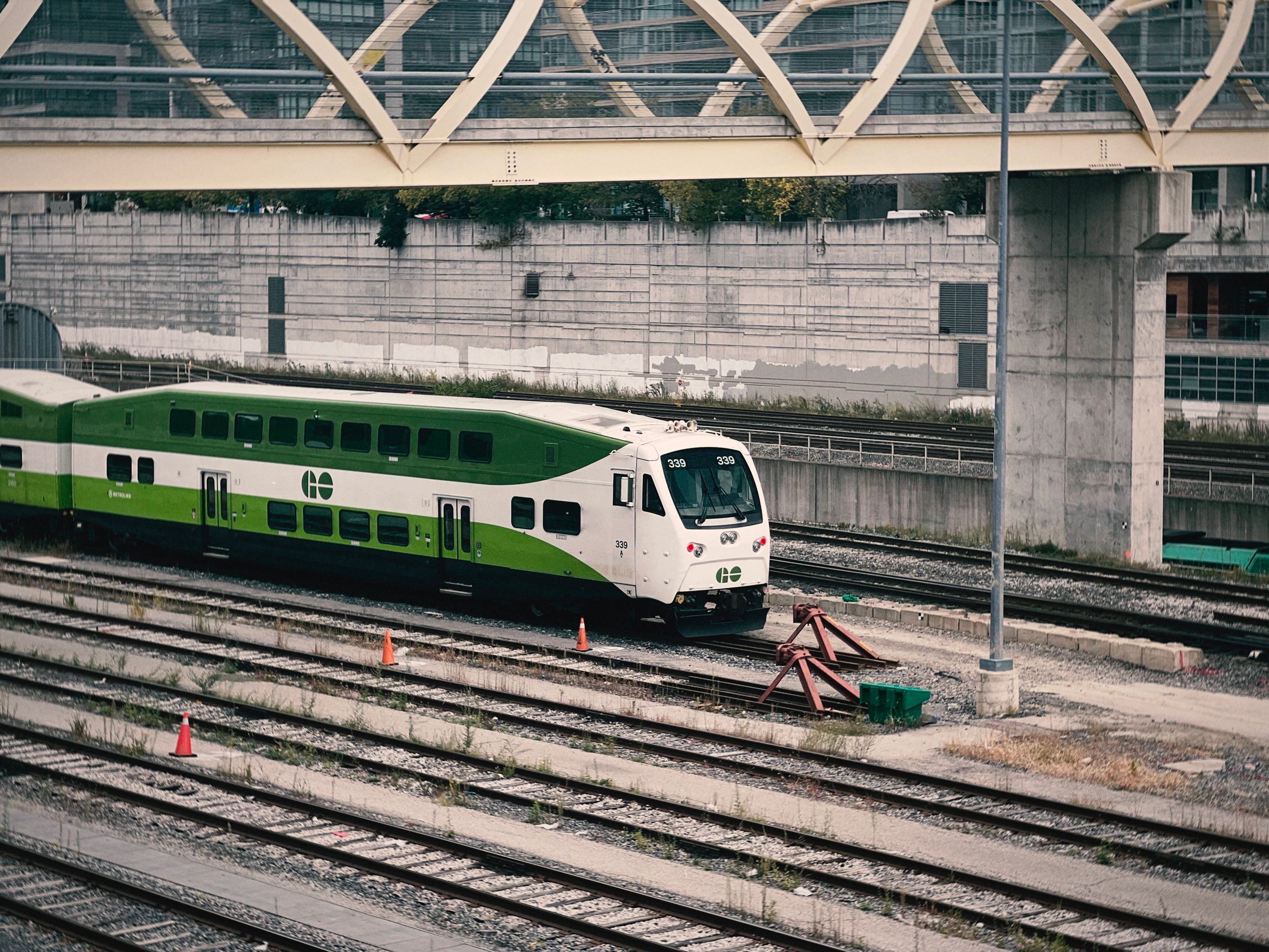
Transportation is an important consideration when buying a home in Mimico, particularly for people who commute to downtown Toronto or travel across the GTA.
Mimico GO Station
Mimico GO Station provides access to GO Transit rail service, making it a useful option for some commuters travelling toward Union Station and other destinations along the Lakeshore West corridor.
If commuting by train is important to you, check current schedules, service frequency, travel times, and station access before making a decision. Your overall journey may also include walking, driving, cycling, or taking a connecting transit service.
Living near a GO station can be convenient, but the practical benefit depends on the location of the property and your daily travel requirements.
Access to major roads
Mimico offers access to major road connections serving Toronto and the surrounding region, including the Gardiner Expressway and nearby routes connecting to other parts of the GTA.
This can be helpful for people who drive to work or regularly travel outside the city.
However, convenient highway access does not eliminate traffic congestion. Buyers should test their intended commute during typical travel periods rather than relying exclusively on estimated driving times.
Public transit and walkability
Transit convenience and walkability vary by location within Mimico. Some properties are closer to the GO station, local services, and parks, while others may require more driving or additional transit connections.
When comparing listings, consider the entire journey to the places you visit most frequently. A slightly different location within the neighbourhood can make a meaningful difference to your everyday experience.
What Types of Homes Can You Buy in Mimico?
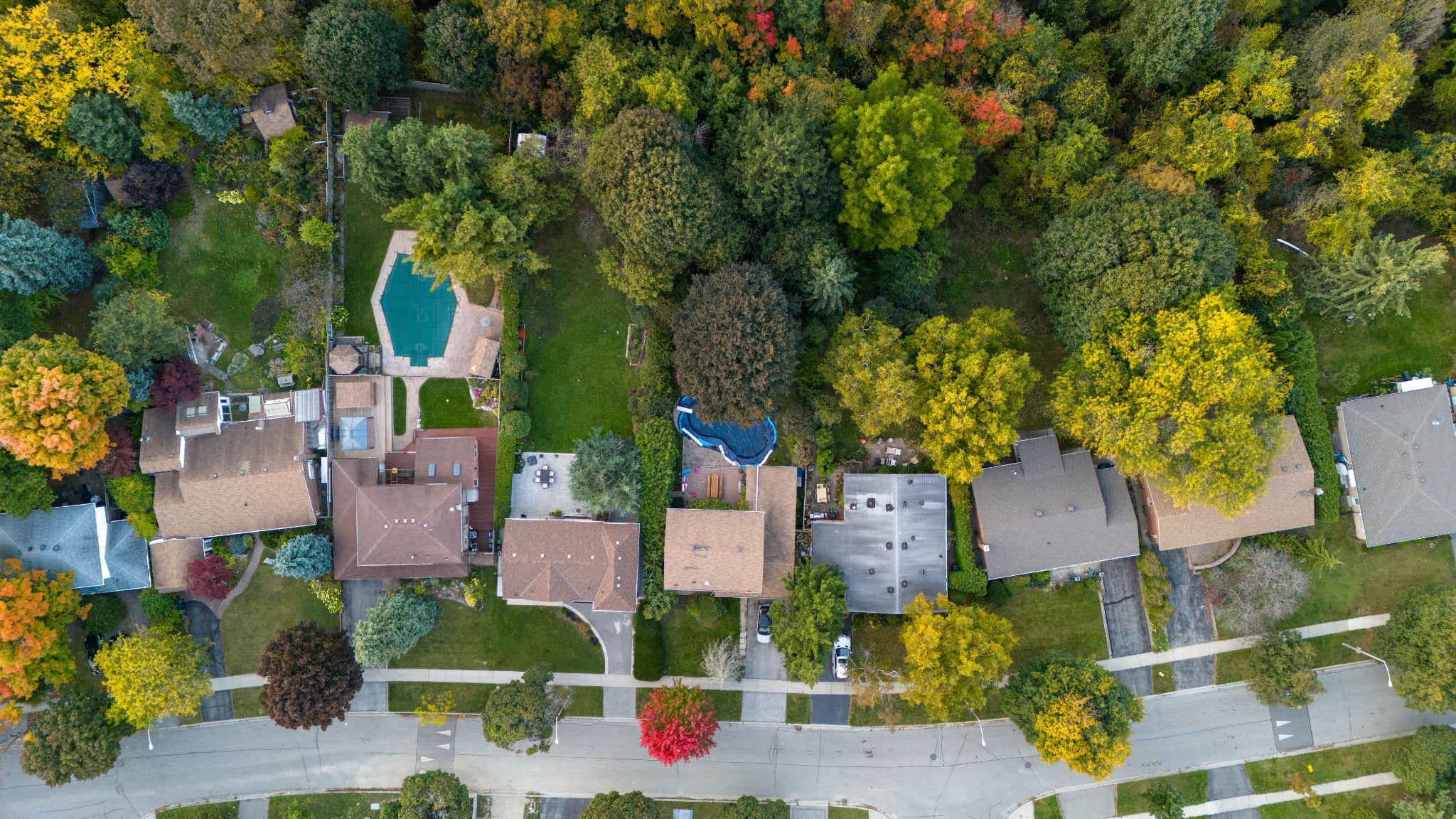
One of the advantages of exploring Mimico is the range of property types available.
Detached and semi-detached houses
Detached and semi-detached homes may appeal to buyers who want more living space, outdoor areas, or greater control over their property.
Depending on the home and lot, there may also be opportunities to modernize the interior, improve the layout, or investigate additional permitted uses.
Older houses require careful evaluation. The purchase price is only one part of the financial picture. Buyers should also consider the condition of the roof, foundation, electrical and plumbing systems, windows, insulation, and other major components.
A home that appears inexpensive compared with renovated properties may require substantial investment before it meets your needs.
Condominiums
Condominiums can offer an alternative for buyers who prefer a smaller property footprint or want to live closer to certain transit and waterfront amenities.
When purchasing a condominium, review the monthly condominium fees, the corporation’s financial health, reserve fund information, status certificate, insurance arrangements, and any applicable rules or restrictions.
A lower purchase price does not necessarily mean lower ongoing costs. Monthly fees, special assessments, utilities, parking, and other expenses should be included when comparing properties.
Townhouses
Townhouses can provide a middle ground between condominium living and a traditional detached house.
Buyers should confirm whether a townhouse is freehold or condominium-owned because the ownership structure affects maintenance responsibilities, fees, and applicable rules.
The property’s parking arrangements, outdoor space, shared elements, and future maintenance obligations should also be considered before making an offer.
Is Mimico a Good Place to Buy a Home?
Whether Mimico is a good place to buy depends on your budget, lifestyle, intended length of ownership, and priorities.
For buyers who value waterfront access, established residential streets, and GO Transit connections, the neighbourhood may be worth considering.
For others, the main attraction may be the opportunity to purchase a property that can be improved over time.
For first-time homebuyers
First-time buyers may find that Mimico offers several types of properties to compare. The key is to identify a realistic budget that accounts for closing costs, ongoing expenses, and any immediate repairs.
Do not evaluate affordability using the mortgage payment alone. Property taxes, insurance, utilities, maintenance, condominium fees where applicable, and potential renovations can all affect your monthly costs.
For families and long-term homeowners
Families may prioritize living space, outdoor areas, schools, parks, and convenient transportation.
Research school boundaries and admission requirements directly with the relevant school board, and visit the neighbourhood at different times of day to understand traffic, noise, and general activity.
For long-term homeowners, the property’s flexibility may also matter. Consider whether the layout could accommodate changing household needs and whether future improvements would be practical and financially manageable.
For real estate investors
Investors should assess Mimico properties using the same discipline they would apply to any potential investment.
Consider achievable rental income, vacancy assumptions, operating expenses, financing costs, required repairs, and the amount of capital needed to make the property suitable for tenants.
A desirable neighbourhood does not automatically make a property a profitable investment. The purchase price and the numbers behind the property must make sense.
Rental rules, licensing requirements, zoning, and other restrictions may apply depending on the property and intended use. Verify the current requirements before relying on projected rental income or a proposed use.
Finding Value-Add Real Estate Opportunities in Mimico
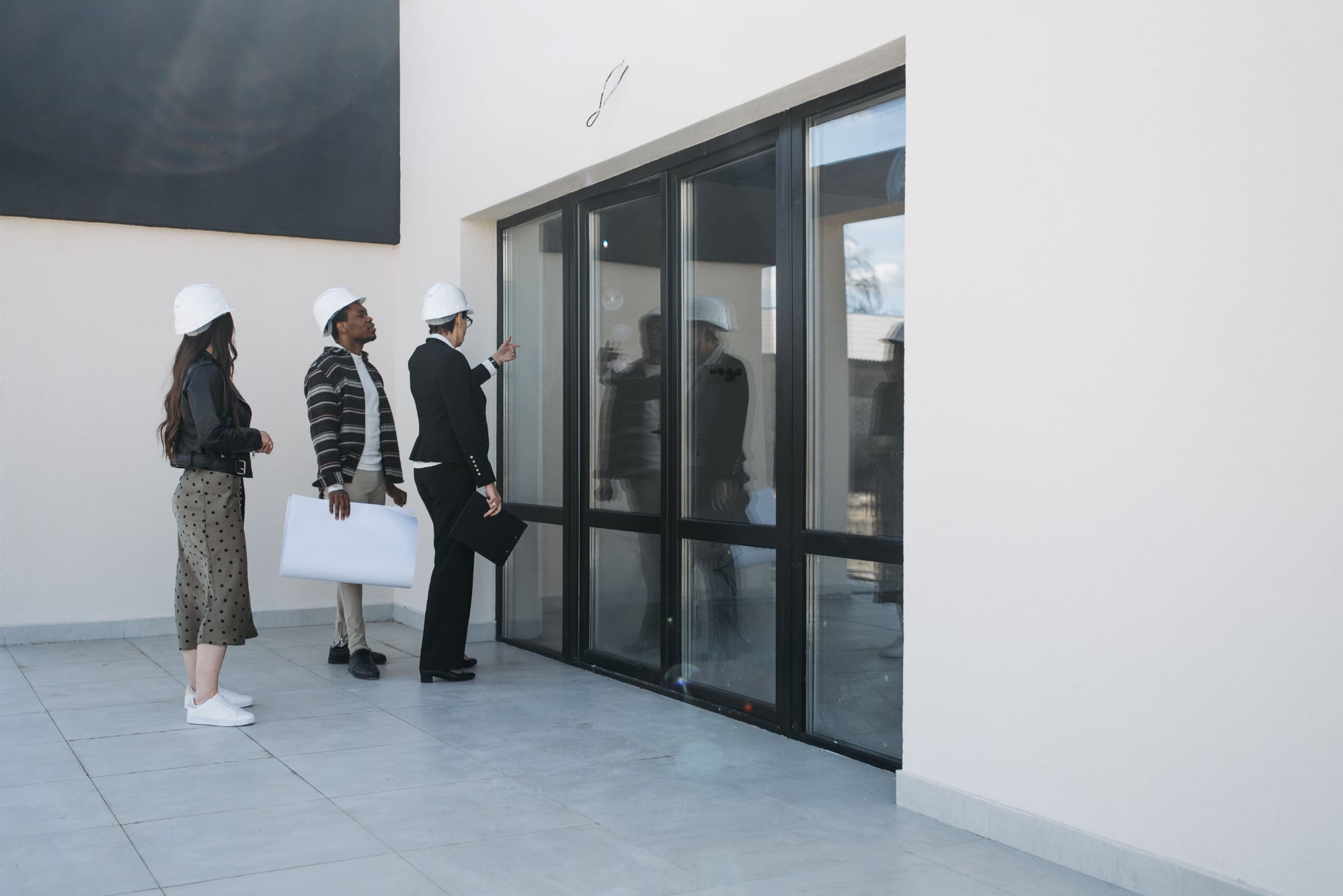
Mimico may also interest buyers who look beyond a property's current appearance and consider what it could become.
A value-add property is one where improvements or other permitted changes may increase its usefulness, appeal, or financial performance. The opportunity might involve a dated interior, an inefficient floor plan, deferred maintenance, or a lot that warrants further investigation.
Look beyond cosmetic appearance
An outdated kitchen or worn flooring may make a property less appealing to some buyers, but cosmetic issues are not the same as serious structural or building-system problems.
When assessing a fixer-upper, distinguish between improvements that are relatively straightforward and work that may require significant professional involvement.
A property with manageable cosmetic updates could offer a different risk profile from one that needs foundation repairs, extensive electrical work, or major structural changes.
Obtain appropriate inspections and contractor estimates before committing to a renovation budget.
Evaluate the lot, not just the house
For some buyers, the land may be an important part of the property's appeal.
Lot dimensions, frontage, access, existing structures, easements, setbacks, and applicable planning rules can influence what may be possible on a property.
However, a large lot does not automatically mean that an addition, garden suite, second unit, or multiplex is permitted. The answer depends on the property's specific circumstances and current municipal requirements.
Before paying a premium for perceived development potential, consult the City of Toronto and appropriate planning or building professionals to verify what is feasible.
Calculate the complete cost of the opportunity
A property that needs work should be evaluated using its total potential cost rather than its asking price alone.
For example, your analysis might include:
Purchase price and closing costs.
Renovation or construction expenses.
Permits, professional fees, and applicable approvals.
Financing costs and carrying costs during the work.
A contingency for unexpected expenses.
The property's likely market value or rental performance after the improvements.
Compare realistic scenarios instead of relying on an optimistic resale estimate or rent projection. The goal is to understand whether the opportunity remains attractive when reasonable costs and risks are included.
What Should You Check Before Buying in Mimico?
Before making an offer, consider these important due diligence steps.
1. Review recent comparable sales. Compare similar properties in the same general area, paying attention to lot size, condition, property type, and recent sale dates. Asking prices alone do not establish market value.
2. Inspect the property's condition. Arrange an appropriate home inspection and investigate any signs of moisture, structural issues, outdated systems, or deferred maintenance.
3. Understand the full ownership cost. Account for property taxes, utilities, insurance, maintenance, financing, and condominium fees or other applicable charges.
4. Investigate renovation and development potential. Confirm zoning, permits, building requirements, and other restrictions with the appropriate authorities and qualified professionals.
5. Evaluate the exact location. Visit the property at different times of day. Consider transit access, road noise, parking, nearby amenities, and the walkability of the surrounding area.
6. Review the relevant legal and financial documents. Depending on the property, this may include a status certificate, title-related information, leases, permits, and disclosures. Consult a real estate lawyer and other relevant professionals where appropriate.
These checks can help you distinguish between a property that fits your needs and one that carries risks or costs you have not fully considered.
Final Thoughts: Is Living in Mimico Right for You?
Mimico offers a combination of waterfront access, established housing, condominium living, local amenities, and transportation connections that may appeal to a wide range of Toronto homebuyers.
The best purchase, however, is not necessarily the most attractive listing or the property with the lowest asking price. It is the one that fits your lifestyle, financial position, and long-term plans.
If you are looking for a home to live in, focus on how the neighbourhood and property will support your daily life. If you are buying as an investor or looking for a fixer-upper, take the additional step of evaluating renovation costs, rental potential, and any development possibilities before making assumptions.
Understanding both the property's current condition and its realistic future potential can help you make a more informed decision.
If you are thinking about buying, selling, or investing in the GTA, I’d be happy to help you understand what the current market means for your specific situation.
Call me anytime at (647) 207-0470, or book a conversation through my calendar: https://calendly.com/sol-gtaelite
You can also explore homes currently available on the market and review the latest market update to help inform your next move.