
.webp)

When most buyers look at a Toronto property, they often focus on the obvious things: the asking price, the number of bedrooms, the condition of the kitchen, and whether they like the house.
Investors look at something different.
They ask:
What could this property become?
That question is at the heart of value-add real estate investing.
A value-add opportunity is a property where there is potential to increase its value through renovation, repositioning, adding income, improving the property’s use, or taking advantage of development potential.
The opportunity isn't always obvious from the listing photos.
Sometimes, the value is in the house.
Sometimes, it's in the lot.
And sometimes, it's in what you can do with the property that the current owner hasn't done yet.
Here are some of the things I look for when evaluating potential value-add opportunities in Toronto.
1. Look Beyond the Current Condition
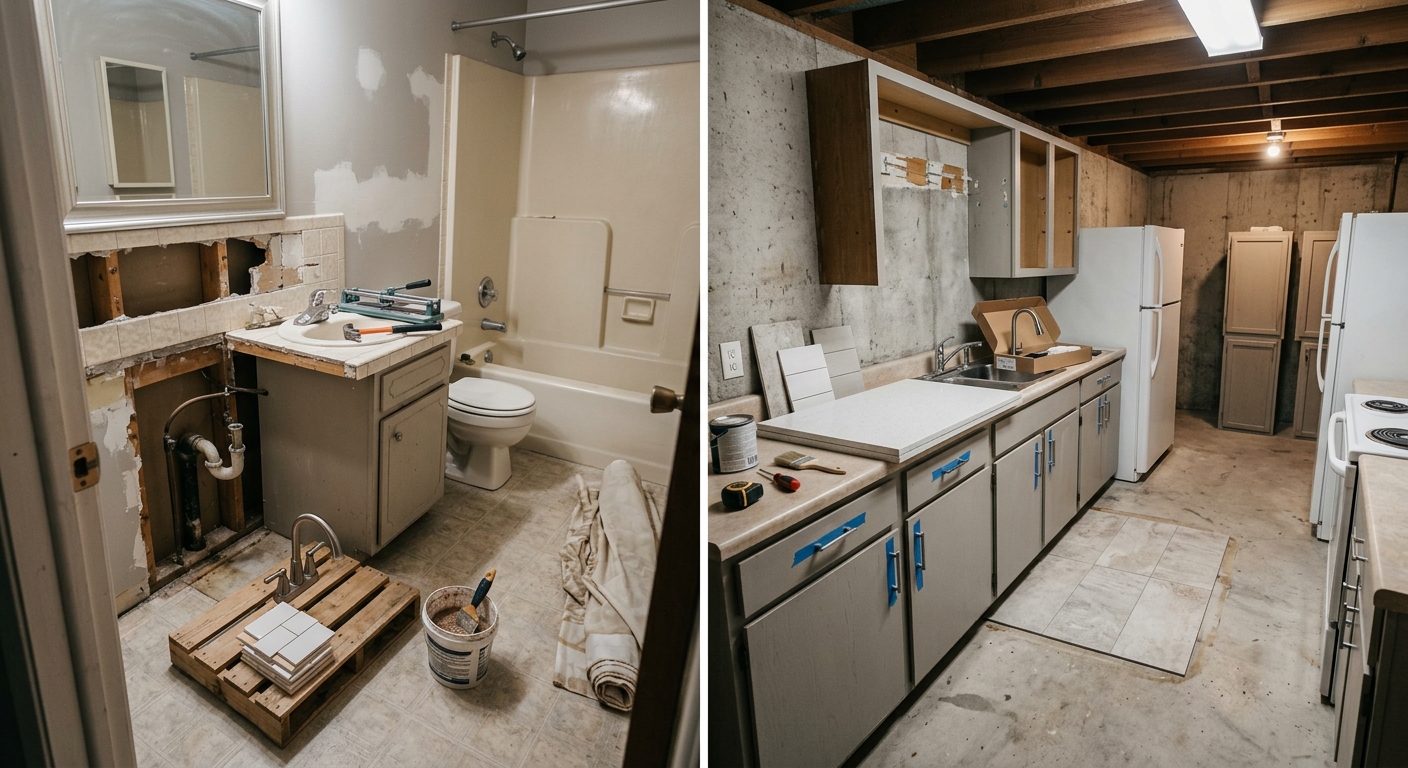
A property that needs work isn't automatically a good investment.
But a property that needs work can sometimes create an opportunity.
For example, a dated Toronto home may have an outdated kitchen, older bathrooms, poor finishes, or an inefficient layout.
A typical buyer may see a house that needs $150,000 in renovations.
An investor may ask:
Can the layout be improved?
Can the basement become additional living space?
Can the property be converted into multiple units?
What would the property be worth after the improvements?
The important distinction is between a property that needs work and a property where the work creates value.
Not every renovation adds the same amount of value.
2. Pay Attention to the Lot
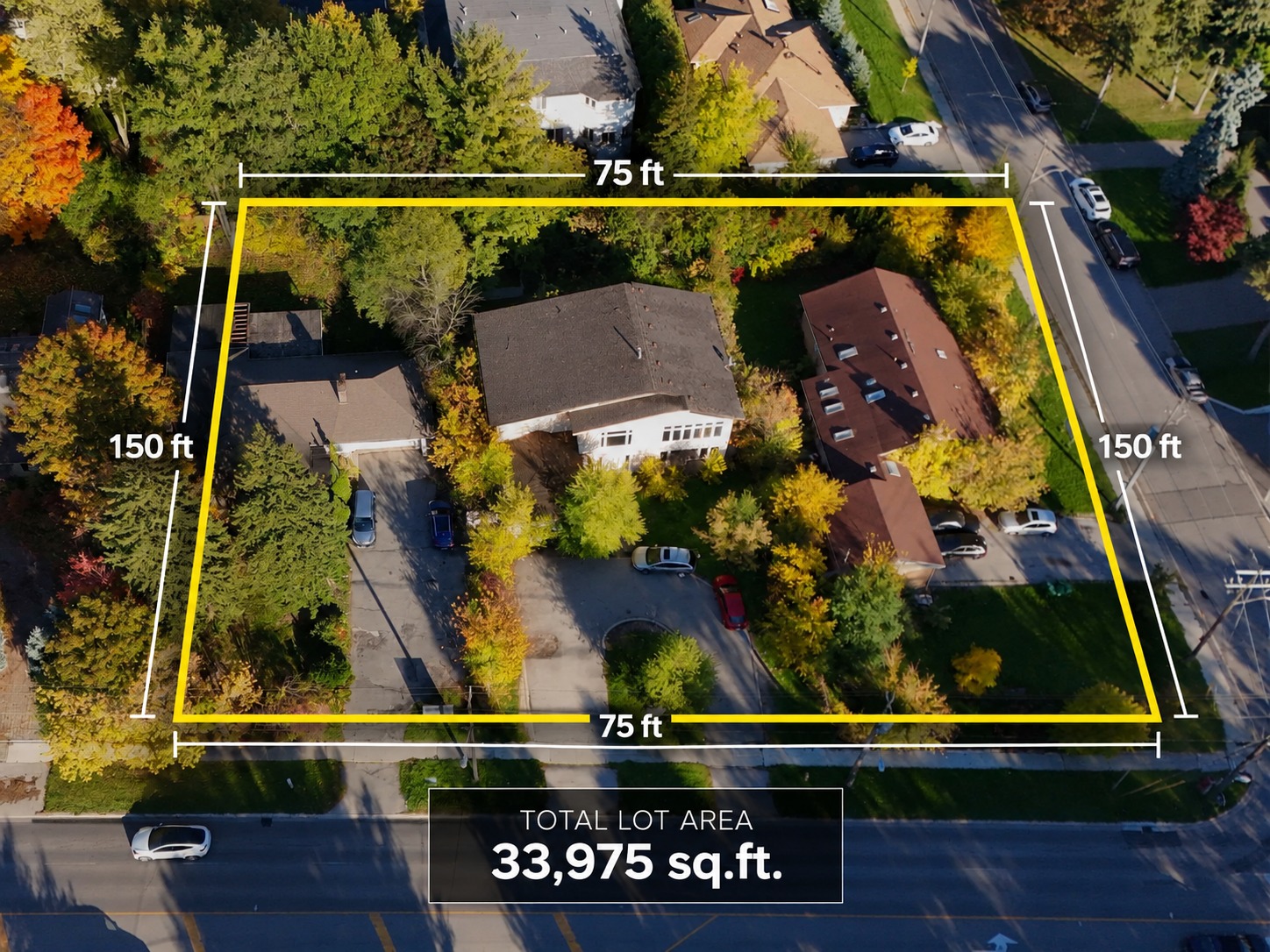
One of the biggest mistakes buyers can make is focusing entirely on the house and ignoring the land underneath it.
In Toronto, lot characteristics can have a major impact on what a property can potentially become.
When I evaluate a property, I want to understand:
Lot width
Lot depth
Overall lot size
Corner-lot characteristics
Access to the property
Existing setbacks
Parking configuration
Rear-yard access
Location of the existing structure
Potential for additions or redevelopment
A house might look ordinary, but a particularly useful lot can create opportunities that aren't immediately visible.
This is especially important when evaluating properties for renovation, additional housing, or redevelopment.
3. Look for Underused Space
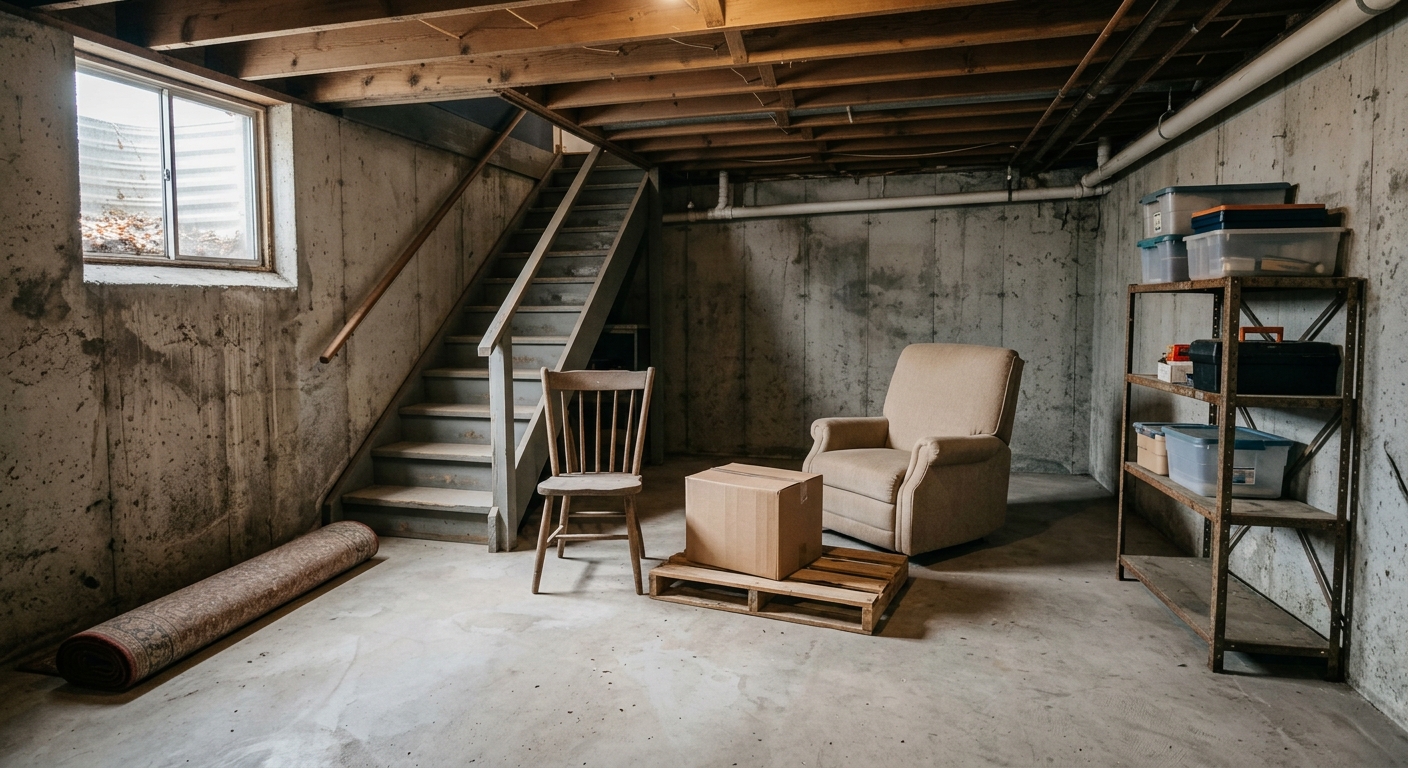
Value can sometimes be created by making better use of space that already exists.
Examples can include:
An unfinished basement
An oversized garage
An underused portion of the home
An inefficient floor plan
An oversized attic
A large rear yard
Space that could potentially accommodate an addition
But potential isn't the same as permission.
Before assuming that a space can be converted, expanded, or used for another purpose, investors need to confirm the applicable zoning, building-code, servicing and permit requirements.
That's where proper due diligence becomes critical.
4. Consider Additional Income Potential
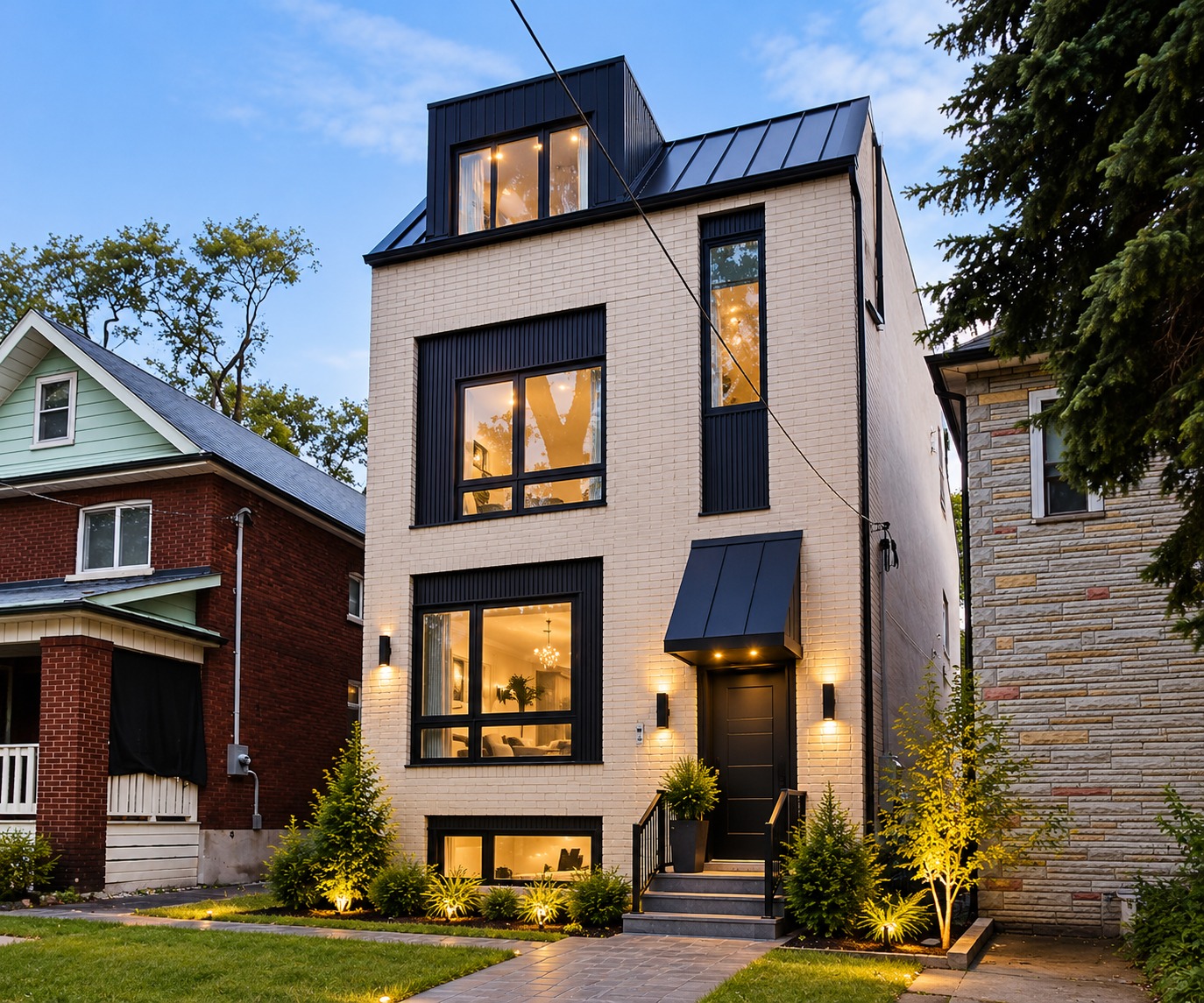
Another form of value-add is creating additional income from an existing property.
For example, an investor might investigate whether a property could accommodate multiple residential units.
Toronto currently permits four-unit multiplexes city-wide, while six-unit permissions vary depending on location. The City also provides pre-approved building plans for fourplexes and sixplexes as a starting point for certain projects.
That doesn't mean every property can automatically become a fourplex or sixplex.
The specific property still needs to meet zoning requirements, building-code requirements and site-specific conditions, and a qualified design professional is required for the site-specific aspects of a project.
For an investor, however, this creates an important question:
Does this property have the characteristics that could make additional units feasible?
That question can completely change how you evaluate a property.
5. Don't Ignore the Zoning
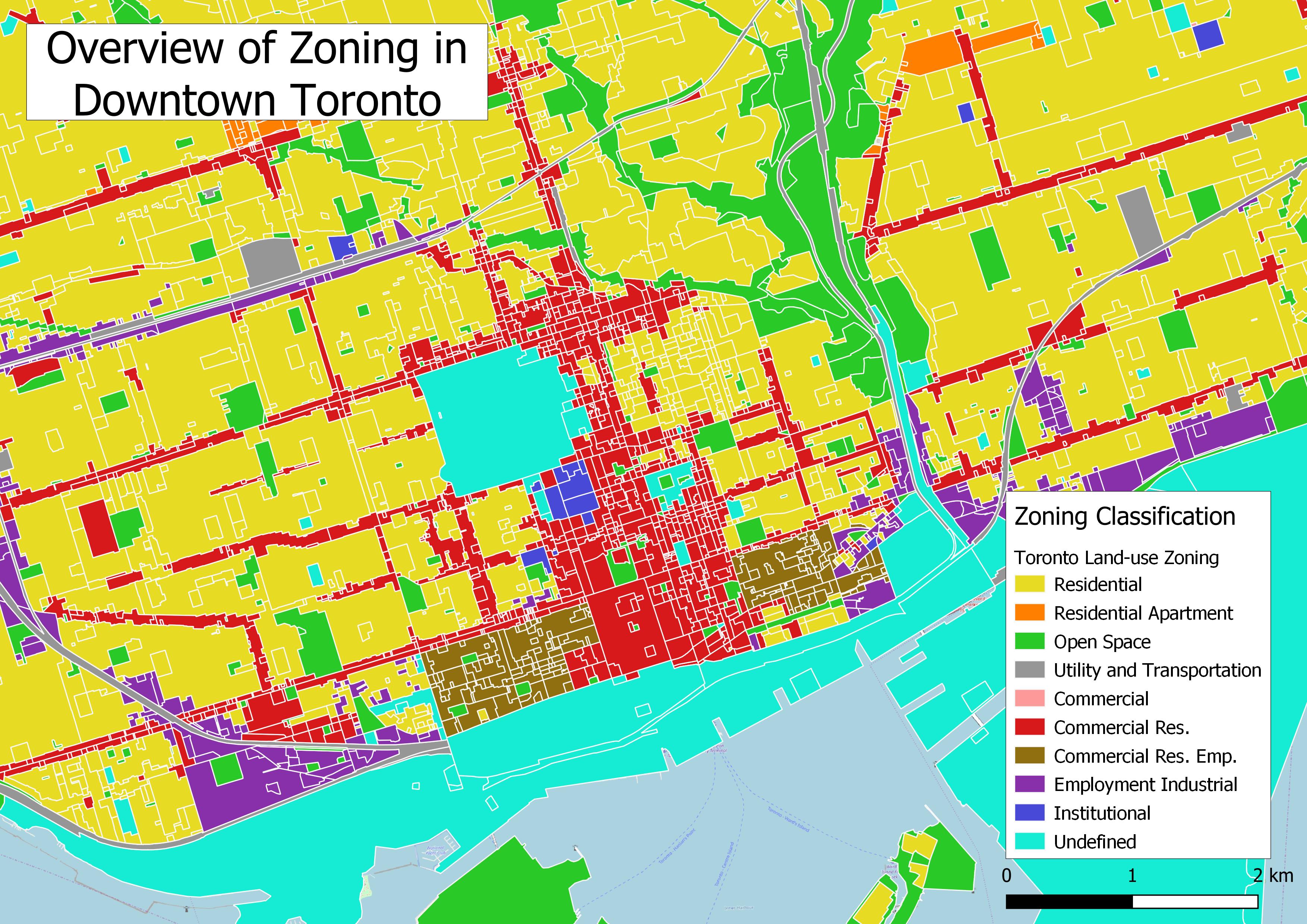
One of the most important parts of analyzing a potential value-add property is understanding what is actually permitted.
A property may appear to have development potential, but that doesn't mean the proposed use is allowed.
Before making assumptions, investigate:
Current zoning
Permitted uses
Number of units permitted
Building envelope
Setbacks
Height restrictions
Lot coverage
Parking requirements
Access requirements
Applicable overlays
Whether approvals or variances may be required
Toronto's multiplex rules, for example, have created additional opportunities for properties that meet the applicable requirements. Four-unit multiplexes are permitted city-wide, while six-unit permissions currently vary by location.
Potential needs to be verified before it becomes part of your investment strategy.
6. Look for Properties That Are Poorly Positioned, Not Necessarily Poor Properties
Sometimes the opportunity isn't that the property is bad.
It's that the property is being marketed to the wrong buyer.
A dated home may turn off an owner-occupier looking for something move-in ready.
An investor may see the same property differently.
A large lot may attract a builder.
A property with an unfinished basement may attract an investor looking for additional income.
A property with an inefficient layout may appeal to someone who can redesign it.
This is why I don't think investors should evaluate a property based only on how attractive it looks today.
You also need to consider who the property could appeal to after the right changes are made.
7. Calculate the Cost of Creating the Value
This is where the numbers matter.
Finding potential is only the first step.
The next question is:
How much will it cost to unlock that potential?
Your analysis may need to include:
Purchase price
Land transfer tax
Legal costs
Financing costs
Renovation or construction costs
Permit and professional fees
Property taxes
Insurance
Utilities
Carrying costs
Contingency
Leasing or property-management costs
Selling costs, if applicable
A $100,000 renovation doesn't make sense if it only creates $50,000 of additional value.
The goal isn't simply to find a property that can be improved.
The goal is to find a property where the cost of creating the improvement makes financial sense.
8. Compare the Property Before and After
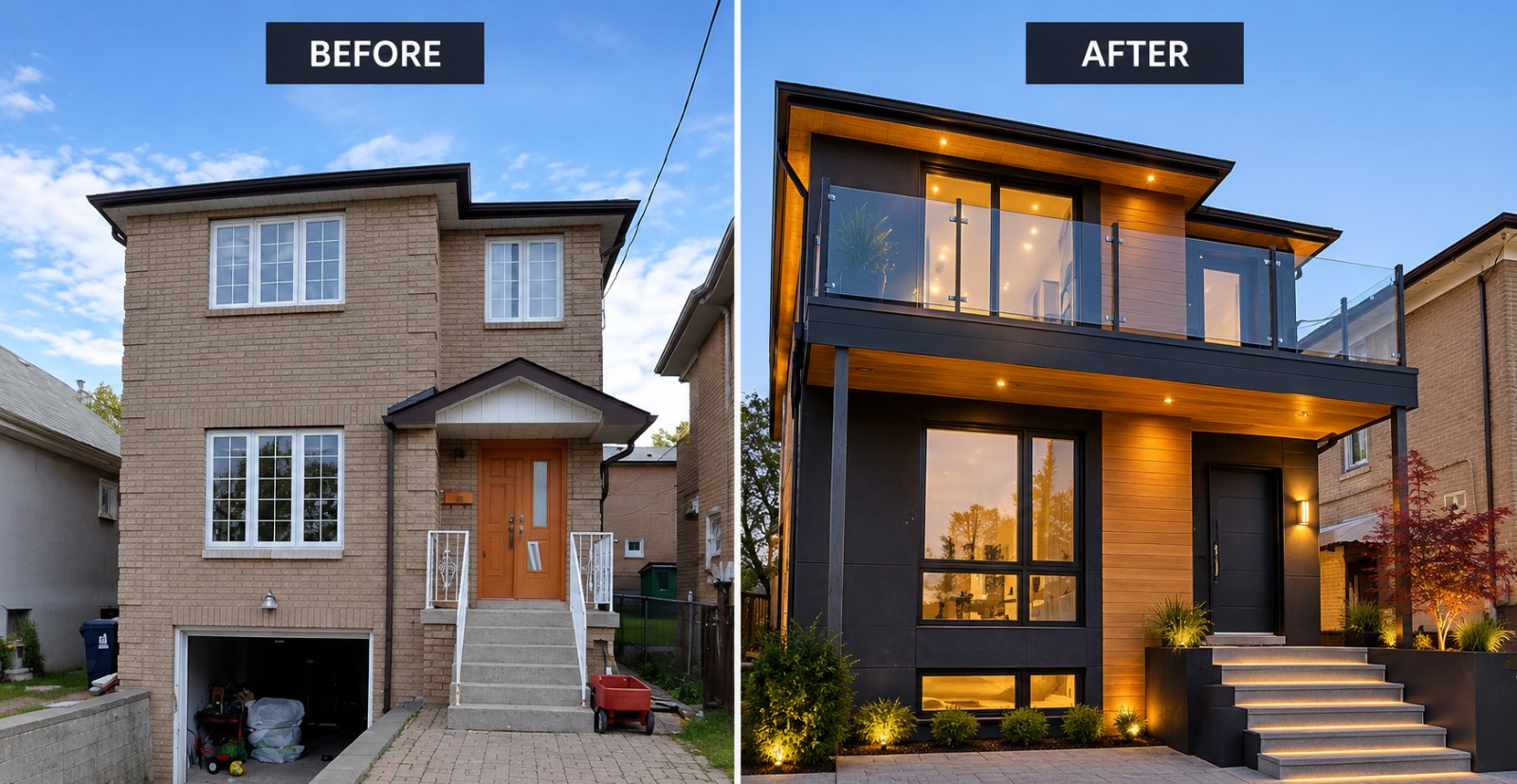
One of the simplest ways to evaluate a value-add opportunity is to look at the property in two stages.
Today:
What is the property worth in its current condition?
After the improvements:
What could the property potentially be worth after the renovation, conversion, addition or other value-creating work?
Then compare the potential increase in value against the total cost required to achieve it.
For example:
Purchase price: $900,000
Renovation and improvements: $150,000
Other project and carrying costs: $50,000
Total investment: $1,100,000
Potential completed value: $1,300,000
That doesn't automatically make it a $200,000 profit.
You still need to account for financing, transaction costs, taxes, market conditions, timelines and the risks associated with the project.
But this type of analysis helps you determine whether the opportunity deserves a closer look.
9. Think About the Exit Strategy Before You Buy
A strong investor doesn't just ask how they will acquire the property.
They ask how they will eventually get out.
Potential strategies could include:
Renovate and sell
Renovate and hold
Convert to multiple units and rent
Improve the property and refinance
Build additional housing
Hold for long-term appreciation
Sell to another investor or builder
The best strategy depends on the property, financing, market conditions and your investment objectives.
A property that makes sense as a long-term rental may not make sense as a flip.
A property with redevelopment potential may have a completely different investment profile.
10. Learn to Recognize "Hidden" Value
Some of the most interesting opportunities don't look impressive at first glance.
They might have:
An outdated interior
Poor photography
Tenants
Deferred maintenance
An awkward layout
An unfinished basement
A large lot
A desirable location
An underused property
Development or multiplex potential
The key is learning to separate problems from opportunities.
An outdated kitchen is a problem.
But if the purchase price already reflects the outdated kitchen and the renovation can create significantly more value, it may also be an opportunity.
A large lot isn't automatically valuable from a development perspective.
But if zoning, lot characteristics, servicing and market demand support a particular use, the land may represent significant hidden value.
11. Location Still Matters
Value-add doesn't mean you can ignore location.
In Toronto, location can influence rental demand, resale demand, future buyer interest and the range of potential exit strategies.
When evaluating a property, consider:
Transit access
Schools
Parks
Shopping
Restaurants
Employment areas
Waterfront access
Major roads
Neighbourhood development
Nearby new construction
Future infrastructure
A great renovation in a weak location may not produce the same result as a well-executed renovation in an established neighbourhood with strong demand.
12. Don't Confuse Potential With Profit
This is probably the most important point.
A property can have development potential and still be a bad investment.
It can have a large lot and still be overpriced.
It can support additional units and still have poor numbers.
It can look like a great fixer-upper and still cost too much to renovate.
Potential is only valuable when the numbers work.
That's why I like to look at a property from multiple perspectives:
What is it today?
What could it become?
What would it cost to get there?
What would it potentially be worth afterward?
What could go wrong?
Those questions help turn a property search into an investment analysis.
A Simple Value-Add Checklist
Before getting too excited about a potential opportunity, ask:
☐ Is the purchase price reasonable for the current condition?
☐ Is there a clear way to add value?
☐ Does the lot have useful characteristics?
☐ Is there underused space?
☐ Could the layout be improved?
☐ Is additional rental income possible?
☐ What does the zoning allow?
☐ Are there potential renovation or development opportunities?
☐ What will the project realistically cost?
☐ What could the property potentially be worth afterward?
☐ What is the expected timeline?
☐ What is the exit strategy?
☐ What happens if costs are higher or the project takes longer than expected?
If you can't answer these questions, you may not have an investment opportunity yet.
You may simply have an interesting property.
The Investor Mindset
The biggest difference between a typical property search and a value-add investment search is the question you ask.
Most buyers ask:
"Do I like this house?"
An investor asks:
"Does the opportunity make sense?"
That means looking beyond the finishes, staging and listing photos.
Look at the land.
Look at the zoning.
Look at the layout.
Look at the income potential.
Look at the renovation requirements.
Look at the future possibilities.
And most importantly, look at the numbers.
Because in Toronto real estate, the most interesting opportunity isn't always the property that looks the best today.
Sometimes, it's the property that has the most potential to become something better tomorrow.
Final Thought
Value-add investing isn't about finding a property that needs work.
It's about finding a property where the work can create meaningful value.
That's the difference.
I'm not just looking at the house.
I'm looking at the opportunity.
This article is for general informational purposes only and is not legal, financial, tax, zoning or development advice. Development and renovation potential must be verified with the appropriate City of Toronto departments and qualified professionals before making an investment decision.