
.webp)

Buying a rental property in Toronto can look straightforward on the surface. You find a property, estimate the rent, calculate your mortgage payment, and determine whether the numbers work.
In reality, evaluating a rental property requires much more than asking, “How much can I rent this for?”
A property can have strong rental demand but poor cash flow. Another property may produce modest rental income today but have significant value-add potential through renovations, a basement conversion, a second unit, or another legally permitted improvement.
For investors looking at the GTA, the goal should be to understand both the property's current performance and its potential.
This guide walks through the key factors to consider when evaluating a rental property in Toronto and the surrounding GTA.
1. Start With the Property, Not Just the Rent

One of the most common mistakes investors make is starting with the expected rental income.
Instead, start by understanding the property itself.
Ask:
What type of property is it?
What is the current condition?
How much work does it need?
What are comparable properties renting for?
Is the existing layout attractive to tenants?
Is there a basement or additional space?
Is parking available?
Could the property accommodate improvements?
Is there potential for a legal second unit or other value-add opportunity?
What are the property's long-term strengths and weaknesses?
Two homes with similar purchase prices can have completely different investment profiles.
For example, one Toronto property may be fully renovated and immediately rentable. Another may need significant work but have a better lot, basement, layout or redevelopment potential.
The second property could potentially offer more upside—but only if the numbers and the applicable rules support the strategy.
2. Estimate Realistic Rental Income
The next step is determining how much the property could realistically generate in rent.
Don't base your calculation solely on the highest rental listing you find online.
Look for comparable properties with similar:
Location
Property type
Number of bedrooms
Number of bathrooms
Square footage
Parking
Basement or additional living space
Renovation quality
Amenities
Transit access
A renovated three-bedroom house near a major transit connection should not necessarily be compared with an older three-bedroom property in a completely different neighbourhood.
The objective is to determine a realistic market rent, not an optimistic number that makes the investment look better on paper.
Consider Different Rental Scenarios
It can also be useful to run multiple scenarios:
Conservative: What happens if rent is lower than expected?
Expected: What do you reasonably believe the property could rent for?
Optimistic: What happens if the property performs particularly well?
This approach gives you a better understanding of the property's risk rather than relying on one number.
3. Calculate Your Total Monthly Expenses

Rental income is only one side of the equation.
A proper rental property analysis should account for the costs of owning and operating the property.
Depending on the property, these may include:
Mortgage payments
Property taxes
Insurance
Utilities paid by the landlord
Maintenance
Repairs
Property management
Condominium fees, if applicable
Landscaping
Snow removal
Vacancy allowance
Accounting or professional fees
Other operating costs
Some expenses are predictable. Others are not.
A roof replacement, HVAC repair or plumbing issue can significantly affect the economics of a rental property.
That's why investors should avoid looking only at the monthly mortgage payment.
4. Don't Forget Vacancy and Maintenance
A rental property isn't necessarily occupied and income-producing every day of the year.
There may be periods between tenants, unexpected repairs, or other situations that reduce your actual income.
Instead of assuming 100% occupancy and zero unexpected expenses, consider building reasonable allowances into your analysis.
For example, ask:
What happens to the investment if the property is vacant for a period of time?
And:
What happens if I have a major repair during the year?
If the investment only works when everything goes perfectly, it may deserve a closer look before you buy.
5. Calculate the Property's Cash Flow
Once you have estimated income and expenses, you can start looking at cash flow.
A simplified calculation is:
Rental Income − Operating Expenses − Debt Costs = Cash Flow
For example, suppose a property generates $4,000 per month in rental income.
You might have:
$700 in property taxes and insurance
$300 in maintenance and other operating expenses
$2,600 in mortgage payments
That would leave approximately $400 per month before considering other potential costs or adjustments.
This is only an illustrative example. Actual expenses and financing costs can vary significantly between properties.
The important point is that you should calculate the numbers before becoming emotionally attached to the property.
6. Look Beyond Monthly Cash Flow
Positive monthly cash flow can be attractive, but it isn't the only reason someone might buy a rental property.
Investors may also consider:
Principal repayment
Potential long-term appreciation
Renovation potential
Future rental income
Property improvements
Land value
Development potential
Potential for additional units where legally permitted
Overall location quality
This is particularly important in the GTA.
A property with mediocre initial cash flow may have characteristics that make it interesting from a longer-term value-add perspective.
For example, a property with a larger lot, desirable location and underutilized space may deserve further investigation.
That doesn't automatically make it a good investment. It means there may be another layer of opportunity to analyze.
7. Evaluate the Location
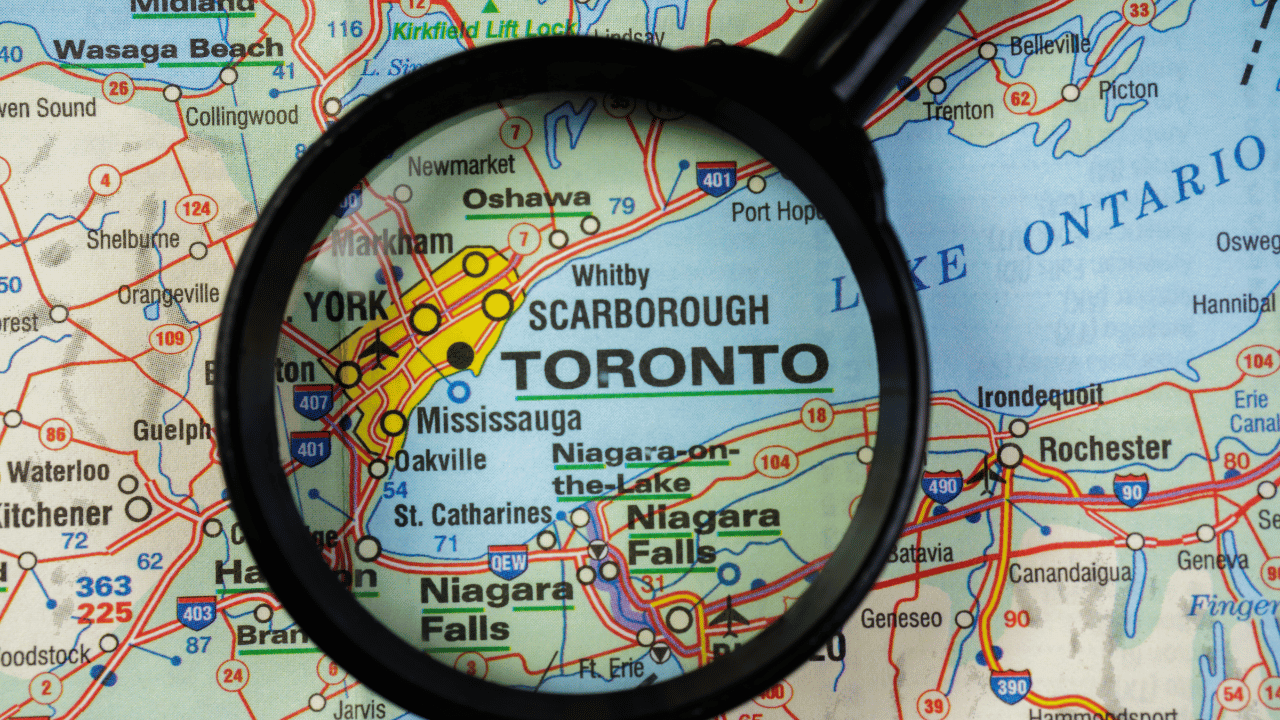
Location is especially important for rental properties because tenants are not simply renting a building—they are renting access to a particular area.
Consider proximity to:
Public transit
GO Transit
Major roads
Employment centres
Schools
Shopping
Restaurants
Parks
Universities and colleges
Hospitals
Community amenities
Different tenant groups prioritize different things.
A property near transit and downtown employment may appeal to a different tenant demographic than a suburban property near schools and family-oriented amenities.
Think about who your likely tenant is and whether the property fits their needs.
8. Understand the Tenant Profile

Before buying a rental property, ask yourself:
Who would actually want to live here?
Potential tenant profiles might include:
Young professionals
Families
Students
Newcomers
Healthcare workers
Couples
Multi-generational households
Understanding your potential tenant can help you evaluate whether the property's layout and location make sense.
For example, a property with three bedrooms, parking and a backyard may have a very different rental appeal from a compact condominium unit designed primarily for one or two occupants.
9. Examine the Property's Value-Add Potential
This is where a traditional rental analysis can become much more interesting.
Instead of asking only:
“What does this property rent for today?”
Ask:
“What could this property become?”
Look for opportunities such as:
Updating an outdated kitchen
Improving bathrooms
Reconfiguring inefficient spaces
Finishing appropriate basement areas
Improving curb appeal
Adding laundry
Improving storage
Creating better separation between living spaces
Exploring additional dwelling-unit potential where permitted
Not every renovation adds enough value to justify its cost.
The key is determining which improvements actually improve the property's rental appeal, income potential or overall value.
Before undertaking renovations, confirm applicable building, zoning, fire-safety and other requirements with the appropriate professionals and authorities.
10. Investigate Basement and Additional Unit Potential
Basements can be particularly important when evaluating Toronto and GTA rental properties.
An unfinished or underused basement may provide an opportunity to improve the property's functionality.
But investors should be careful.
A basement that looks like it could become a rental unit is not necessarily a legal rental unit.
Before assuming additional rental income, investigate matters such as:
Zoning
Building permits
Fire separation
Ceiling heights
Egress requirements
Electrical and plumbing requirements
Entrance requirements
Parking requirements where applicable
Municipal rules
Requirements can vary depending on the municipality and property.
Never include projected income from an additional unit in your investment analysis until you have confirmed that the proposed use is permitted and feasible.
11. Compare the Purchase Price With the Income
A property's purchase price needs to make sense relative to its income potential.
One basic metric investors may look at is gross rental yield.
A simplified calculation is:
Annual Gross Rental Income ÷ Purchase Price × 100
For example, if a property generates $48,000 in annual rent and costs $800,000:
$48,000 ÷ $800,000 × 100 = 6% gross rental yield
However, gross yield doesn't account for expenses, financing, vacancies or capital expenditures.
That's why it should be treated as a starting point rather than the final answer.
12. Consider the Financing
Financing can dramatically change the economics of a rental property.
Before purchasing, understand:
Required down payment
Mortgage interest rate
Amortization
Monthly payment
Qualification requirements
Closing costs
Financing fees
Whether the property type affects financing
Investment-property financing can differ from financing for an owner-occupied home.
Mortgage rules and lending policies can also change, so investors should speak with a qualified mortgage professional and confirm current requirements before relying on a particular financing assumption.
13. Don't Ignore Property Taxes and Insurance
A property that appears attractive based on rent can look very different once ownership costs are included.
Property taxes should be incorporated into your analysis, along with insurance and any other recurring expenses.
For properties with unusual characteristics—such as older construction, multiple units or extensive renovations—it can also be important to understand whether insurance costs or requirements could differ.
The goal is to build a realistic operating budget rather than a best-case scenario.
14. Look at the Neighbourhood's Rental Competition
You're not buying a rental property in isolation.
You are competing with other landlords.
Search for comparable rental properties in the area and ask:
What are they asking for rent?
How quickly are they being rented?
What features do they offer?
Are they renovated?
Do they include parking?
Are utilities included?
Do they have outdoor space?
How does your property compare?
If several similar properties are competing for the same tenants, your projected rent may need to be more conservative.
15. Analyze the Property From an Investor's Perspective
A useful way to evaluate a potential rental property is to look at it from three different perspectives.
The Property Today
What does it offer right now?
Consider the current rent, condition, expenses and tenant appeal.
The Property After Improvements
What could change through strategic renovations?
Could relatively modest improvements make the property more competitive or increase rental income?
The Property in the Future
What could the property potentially become over a longer holding period?
Could there be additional value through redevelopment, additional permitted units, land value or other opportunities?
This doesn't mean assuming that every property will become a development project.
It means learning to recognize when a property has characteristics worth investigating.
16. Run the Numbers Before You Make an Offer
Before making an offer on a rental property, create a simple investment analysis.
At minimum, include:
Then run different scenarios.
What happens if:
Rent is 10% lower?
Interest rates are higher?
The property is vacant for a period?
Renovations cost more than expected?
A major repair is required?
A property that still makes sense under reasonable stress scenarios may be more attractive than one that only works under perfect assumptions.
17. Look for the Opportunity Others May Have Missed
One of the most interesting parts of real estate investing is that the best opportunity isn't always the prettiest property.
A property that needs work may be overlooked by traditional buyers.
An outdated house might have:
A strong location
A large lot
An underused basement
An inefficient layout
Renovation potential
Strong tenant demand
Potential for future value creation
The important question isn't simply whether a property needs work.
It's whether the cost of the work creates enough additional value or income to justify the investment.
That's the difference between simply buying a rental property and actually evaluating a real estate opportunity.
FAQ: Evaluating a Rental Property in Toronto
Is buying a rental property in Toronto still a good investment?
There is no universal answer. It depends on the purchase price, financing, rental income, operating expenses, location, property condition and your investment strategy. A property should be evaluated based on its specific numbers rather than a general assumption about the Toronto market.
How much rental income do I need for a property to be a good investment?
There is no single rental-income number that makes a property a good investment. Investors should consider the property's total expenses, financing, vacancy risk, maintenance requirements and long-term potential.
How do I calculate the return on a rental property?
There are several ways to measure investment performance, including gross rental yield, net operating income, cash flow and cash-on-cash return. The appropriate calculation depends on what aspect of the investment you are trying to evaluate.
Should I buy a renovated rental property or a fixer-upper?
It depends on your experience, budget, risk tolerance and the opportunity available. A renovated property may require less immediate work, while a fixer-upper may offer value-add potential. The key is determining whether the renovation cost is justified by the resulting increase in rental appeal, income or property value.
Can I turn a Toronto basement into a rental unit?
Potentially, but you should not assume that an unfinished basement can automatically become a legal rental unit. Zoning, building, fire-safety and other requirements may apply. Always confirm current requirements with the appropriate municipality and qualified professionals before purchasing based on additional-unit assumptions.
Need help?
If you’re thinking about buying, selling, or investing in the GTA, I’d be happy to help you understand what the current market means for your specific situation.
Call me anytime, or click below to view the latest market update and explore homes currently available on the market.
(647) 207-0470
https://calendly.com/sol-gtaelite