
.webp)
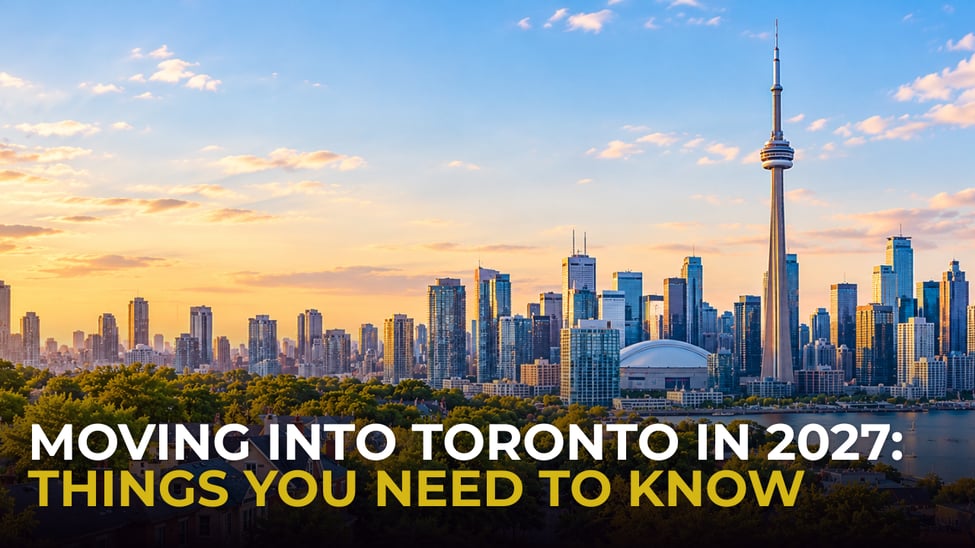
Thinking about moving to Toronto in 2027? The city offers career opportunities, cultural diversity, excellent food, and access to a wide range of neighbourhoods and lifestyles. But behind the excitement of starting fresh in Canada's largest city are some realities that newcomers don't always consider.
The cost of housing, commuting time, winter weather, and the challenge of building a comfortable life on a new budget can make a big difference in your experience.
Whether you're moving to Toronto for work, planning to raise a family, or hoping to buy your first home in Canada, understanding both the advantages and disadvantages can help you make a more informed decision.
In this guide, we'll explore the pros and cons of moving to Toronto in 2027, including housing options, living expenses, transportation, and what to consider before choosing your new neighbourhood.
The Pros of Moving to Toronto in 2027
1. More Career Opportunities Across Different Industries

Toronto is one of Canada's major economic centres, with employment opportunities across finance, technology, healthcare, education, professional services, construction, and other industries.
For newcomers and professionals looking to advance their careers, the city offers access to a large employment market and a diverse business community.
However, opportunity does not automatically mean finding a job will be easy. Competition can be strong, and some employers require Canadian experience, specific credentials, or professional licensing.
What to consider: Research job openings in your industry before moving. Compare expected salaries with housing, transportation, taxes, and other living expenses to determine whether the move makes financial sense.
2. A Diverse Population and Multicultural Communities

One of Toronto's biggest advantages is its cultural diversity. People from different backgrounds live, work, and build communities throughout the city and the surrounding GTA.
You can find international grocery stores, restaurants, cultural festivals, community organizations, and neighbourhood businesses that help make the transition to a new country feel less overwhelming.
For newcomers, this diversity can make it easier to find familiar food, connect with people who share similar experiences, and discover new cultures.
What nobody tells you: Toronto is diverse, but building a social network still takes effort. Finding friends, professional connections, and a sense of belonging may take time, particularly if you're moving without family or an existing support system.
3. A Wide Range of Housing Options
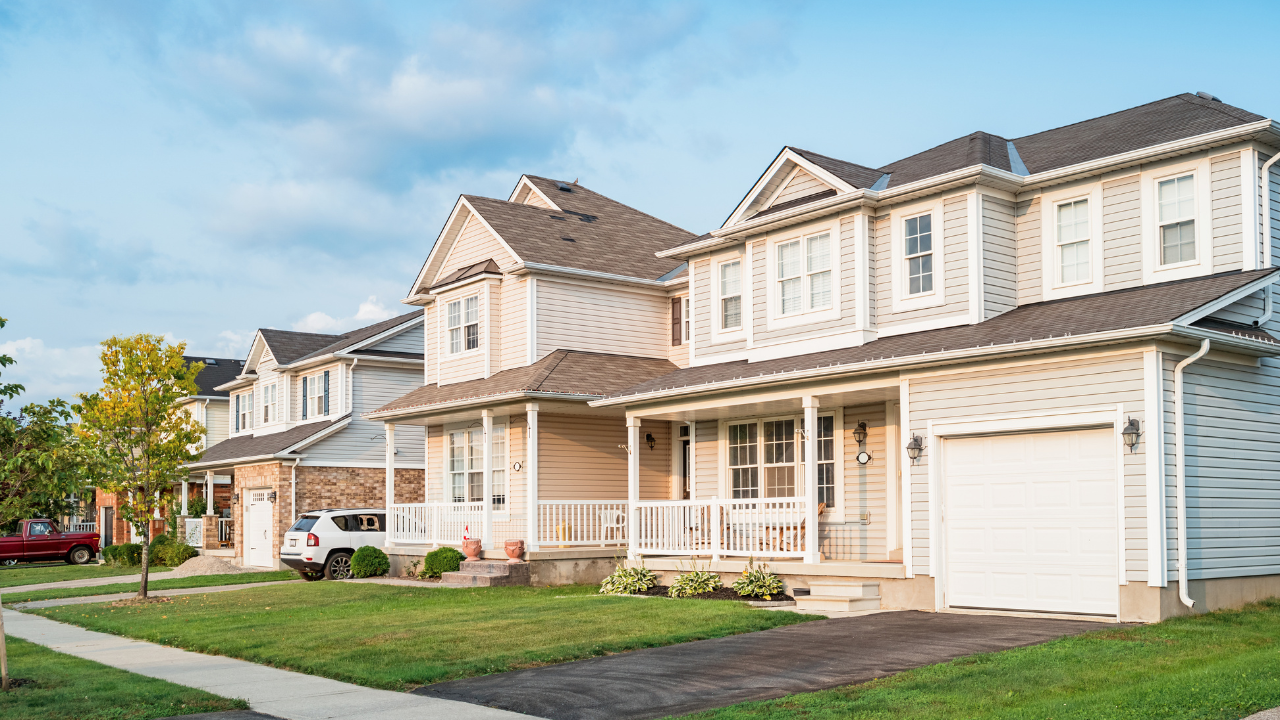
Toronto's housing market includes condominium apartments, purpose-built rental buildings, detached houses, semi-detached homes, townhouses, and properties with potential for additional living space.
Your options depend on your budget, preferred lifestyle, and willingness to live farther from the downtown core.
If you're considering buying a property, it's worth looking beyond the purchase price. Some buyers prioritize move-in-ready homes, while others look for properties they can renovate, improve, or potentially use to generate rental income.
For example, a home with a basement apartment or a property with potential for an additional residential unit may be worth investigating, provided the proposed use complies with applicable zoning, building, fire-safety, and other requirements.
What to consider: Don't limit your search to one property type or neighbourhood. Compare the total cost of ownership, transportation needs, maintenance expenses, and the property's potential to meet your long-term goals.
4. Public Transportation Can Reduce Your Dependence on a Car
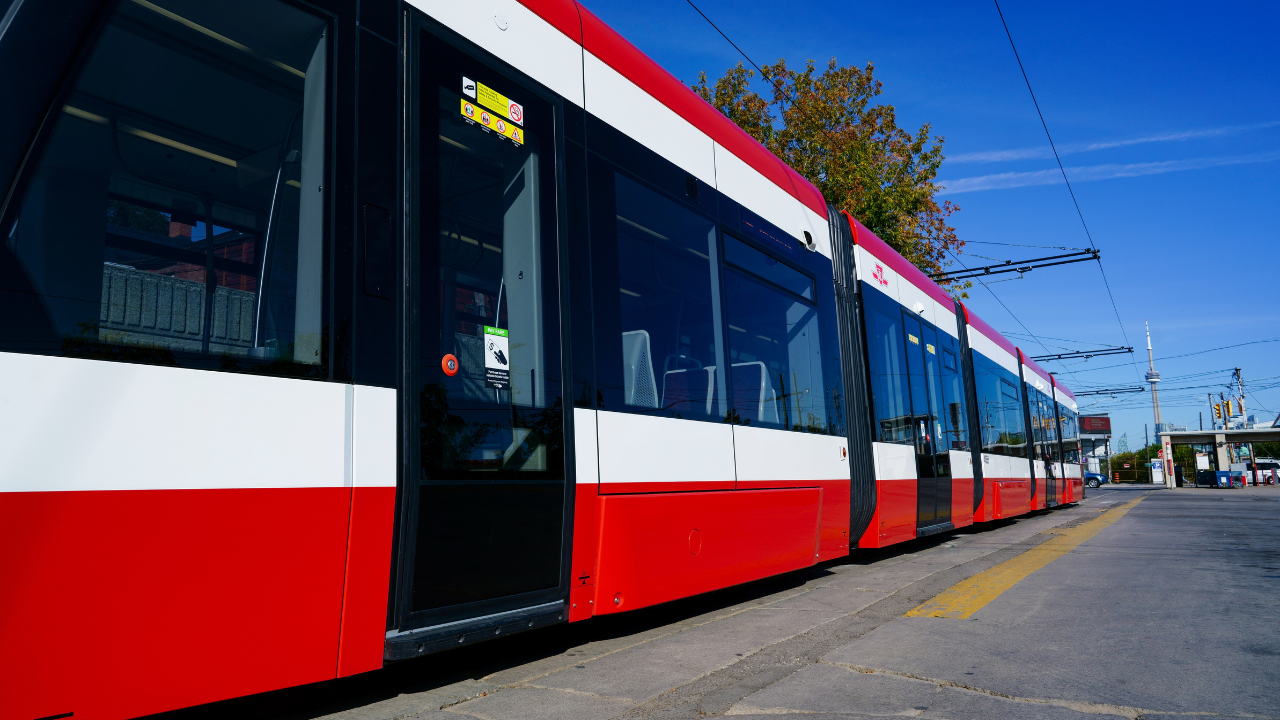
Toronto has an extensive public transportation network that includes the TTC subway, streetcars, buses, and regional GO Transit services.
For people who live and work near convenient transit connections, commuting without a car can be practical and may reduce expenses associated with vehicle payments, fuel, insurance, parking, and maintenance.
Regional rail connections can also make it possible to live outside central Toronto while commuting to certain employment areas.
What nobody tells you: Living near a transit station doesn't guarantee a convenient commute. Your actual travel time depends on your destination, transfers, service frequency, and the distance between your home and the station.
Before signing a lease or purchasing a home, test the route during your expected commuting hours.
5. Plenty of Things to Do Outside Work
Toronto offers a broad selection of restaurants, entertainment venues, museums, sports, parks, waterfront spaces, and cultural events.
You can explore neighbourhoods with distinct personalities, spend time along Lake Ontario, visit local markets, or enjoy outdoor activities throughout the warmer months.
The surrounding GTA also provides access to additional shopping areas, conservation spaces, recreation facilities, and community events.
For families, students, and professionals, this variety can make it easier to find activities that fit different interests and lifestyles.
The trade-off is that enjoying everything the city offers can become expensive if you're frequently dining out, attending events, or travelling across the region.
6. You May Find More Housing Choices Than You Expect
Toronto is often associated with expensive housing, but the market is not the same across every neighbourhood or property category.
Depending on market conditions, buyers may find different levels of competition, pricing, and negotiating opportunities among condominiums, townhouses, and detached homes.
The Canada Mortgage and Housing Corporation's 2026 outlook identified elevated resale inventory and affordability challenges in the GTA, with conditions expected to evolve over the following years. This does not guarantee a more affordable market in 2027, but it reinforces the importance of examining current conditions rather than relying on old assumptions.
For renters, greater choice in some segments may also create opportunities to compare units and negotiate lease terms.
What to consider: Evaluate the specific neighbourhood and type of property you want. A market trend affecting downtown condominiums may not reflect conditions for detached homes in suburban communities.
The Cons of Moving to Toronto in 2027
1. Housing Can Take a Large Share of Your Income
One of the biggest challenges of living in Toronto is the cost of housing.
Renting or buying in a convenient location can be expensive, particularly if you want more space, a shorter commute, or access to popular neighbourhoods.
Statistics Canada's first-quarter 2026 data placed the average asking rent for a two-bedroom apartment in Toronto at approximately $2,660 per month. This is a historical benchmark for available rental listings, not a prediction or guaranteed rate for 2027. Actual costs vary by location, unit size, condition, and building type.
Homebuyers also need to account for mortgage payments, property taxes, utilities, insurance, maintenance, and closing costs.
For example, buying a home with a lower purchase price farther from the city centre might reduce your housing costs but increase your commuting expenses.
What nobody tells you: Being able to qualify for a mortgage or afford the advertised rent does not necessarily mean you can comfortably afford the entire cost of living.
Build a realistic monthly budget before deciding where to live.
2. Commuting Can Take More Time Than Expected
Toronto's traffic congestion can be frustrating, especially during peak commuting hours.
Even if your home and workplace appear relatively close on a map, travel times can increase significantly because of traffic, transit transfers, service disruptions, or road construction.
This is particularly important for people considering homes in Mississauga, Brampton, Vaughan, Markham, Pickering, or other communities outside central Toronto.
Living outside the city may offer different housing options, but the savings can be less attractive if you spend several hours travelling each day.
What to consider: Calculate your commute in both directions during typical work hours. If you drive, include parking costs and fuel. If you use public transit, check the entire route rather than just the nearest station.
3. Winter Can Be a Major Adjustment
Toronto experiences cold winters, snowfall, freezing rain, and periods of icy conditions.
If you're moving from a warmer climate, winter may affect more than your wardrobe. It can change your commute, daily errands, recreation plans, and household expenses.
You may need to budget for a proper winter coat, insulated footwear, gloves, and other seasonal essentials. If you own a car, winter tires and additional vehicle maintenance may also be relevant.
Snow clearing and winter property maintenance can be additional responsibilities for homeowners, depending on the property and applicable arrangements.
What nobody tells you: Your first winter can feel especially difficult if you underestimate how much cold weather affects everyday routines.
Preparing ahead of time can make the transition easier, but it's worth considering whether you're comfortable living with a Canadian winter over the long term.
4. Buying a Home Requires More Than a Down Payment
For many newcomers, purchasing a home is a major financial goal. However, the down payment is only one part of the process.
Depending on the property and transaction, buyers may need to budget for:
Legal fees and closing costs.
Land transfer tax, including applicable provincial and Toronto municipal taxes.
Home inspection costs, where applicable.
Mortgage insurance, if required.
Property taxes, insurance, utilities, and ongoing maintenance.
Potential condominium fees or special assessments.
First-time homebuyers may qualify for certain rebates or incentives, but eligibility depends on the applicable rules and personal circumstances.
Mortgage qualification can also be affected by income, credit history, existing debt, employment status, down payment sources, and lender requirements.
What to consider: Speak with a qualified mortgage professional and real estate lawyer before making a purchase decision. Understand the complete financial commitment rather than planning around the down payment alone.
5. Choosing the Wrong Neighbourhood Can Affect Your Daily Life
Toronto and the surrounding GTA include neighbourhoods with very different housing costs, transit access, amenities, school options, and lifestyles.
A downtown condominium may be convenient for someone who works in the financial district but less suitable for a family that needs more living space.
A suburban detached home may provide additional room and outdoor space but require a longer commute or greater dependence on a vehicle.
Some neighbourhoods are walkable, while others are designed around driving. Even within the same city, daily routines can feel completely different.
What nobody tells you: Choosing a home based only on its appearance or price can lead to frustration if the location doesn't fit your lifestyle.
Before committing, consider your workplace, transportation options, grocery stores, healthcare access, recreation needs, and the activities you want to do regularly.
6. Finding Work and Building Financial Stability May Take Time
Moving to Toronto does not guarantee immediate employment or a higher standard of living.
Some newcomers need time to find work in their field, obtain Canadian credentials, build professional networks, or gain local experience.
Even people with established careers may face a period of adjustment as they become familiar with the Canadian employment market and workplace expectations.
If you're moving without a job offer, savings become particularly important.
What to consider: Whenever possible, arrange employment before moving. If that's not practical, create a financial cushion that accounts for housing deposits, daily expenses, transportation, and the possibility of an extended job search.
7. The Cost of Everyday Life Adds Up
Housing may be your largest expense, but it isn't the only one.
Groceries, mobile phone plans, internet, transportation, insurance, childcare, dining out, and entertainment can all affect your monthly budget.
Families may also need to consider childcare availability and costs, while drivers need to account for vehicle insurance and parking.
These expenses can make a salary that initially looks attractive feel less comfortable once you begin paying for everything.
What to consider: Create a sample monthly budget before moving. Use realistic estimates for your household size and lifestyle, and leave room for unexpected expenses.
Is Toronto Worth Moving to in 2027?
The answer depends on your priorities, financial situation, career prospects, and expectations.
Toronto can offer significant opportunities, but the best outcome usually comes from planning carefully rather than moving simply because the city has a strong reputation.
Should You Rent or Buy When Moving to Toronto?
For many people moving to Toronto in 2027, this will be one of the most important decisions.
Renting may make more sense if you:
Are unfamiliar with Toronto's neighbourhoods.
Need flexibility while looking for work.
Want time to understand local housing costs.
Prefer not to commit to a mortgage immediately.
Buying may make more sense if you:
Have stable income and sufficient savings.
Expect to stay in the area for several years.
Have assessed the full costs of homeownership.
Have found a property that suits your needs and financial goals.
Neither option is automatically better. Renting can provide flexibility, while buying can offer stability and the potential to build equity over time. However, ownership also involves transaction costs, maintenance, and market risk.
If you're considering a property as an investment, look beyond potential appreciation. Rental income, operating expenses, financing, vacancy risk, and the property's legal status all matter.
For buyers interested in creating value, a property that needs improvements may be worth investigating, but renovation costs and the feasibility of any proposed changes should be assessed carefully.
What About Moving to the GTA Instead of Toronto?
You don't necessarily have to live within the City of Toronto to enjoy access to its employment market, amenities, and services.
The Greater Toronto Area includes Toronto and surrounding municipalities such as Mississauga, Brampton, Vaughan, Markham, Richmond Hill, Pickering, Ajax, and others.
Depending on your needs, these communities may offer different combinations of housing types, living space, transit access, and neighbourhood amenities.
For example:
Mississauga: Offers a range of condominium and family housing options, with access to major employment areas and regional transportation.
Brampton: Includes established residential neighbourhoods, newer developments, and a range of family-oriented housing.
Vaughan: Offers a mix of suburban communities, condominium developments, and access to regional transit connections.
Markham: Has established neighbourhoods, newer residential communities, and significant employment areas.
Pickering and Ajax: May appeal to people seeking suburban living with access to GO Transit and connections to Toronto.
These are broad descriptions, not guarantees of affordability or commute times. Costs and convenience vary considerably within each municipality.
Before choosing a community, compare the actual homes available within your budget, the distance to work, and the transportation options you'll use most often.
What Could Toronto's Housing Market Look Like in 2027?
No one can predict the exact direction of Toronto's housing market. Interest rates, employment, household incomes, population growth, housing construction, and buyer confidence will all influence conditions.
The Canada Mortgage and Housing Corporation's 2026 housing outlook anticipated gradual improvement in housing activity over the following years, while highlighting ongoing affordability challenges and differences between property types.
For prospective buyers, that means avoiding assumptions that prices must rise quickly or that waiting will automatically make housing cheaper.
Instead, focus on what you can evaluate:
Your budget and mortgage affordability.
Current listings and comparable sales.
The supply of homes in your preferred neighbourhood.
The property's condition and future maintenance needs.
Your intended length of ownership.
Whether the home fits your needs even if the market changes.
If you're planning to move in 2027, start researching neighbourhoods and housing options well before your intended moving date. Review current market information closer to your purchase or rental decision, because conditions can change.
Final Thoughts: Is Moving to Toronto in 2027 the Right Decision?
Moving to Toronto in 2027 could open doors to career opportunities, new experiences, and a different lifestyle. It can also bring financial pressure, long commutes, harsh winters, and the challenge of finding the right place to call home.
The key is to look beyond the city's reputation and consider how it fits your personal circumstances.
If you're planning to rent, research housing costs and neighbourhoods before committing. If you're thinking about buying, understand the complete cost of ownership and explore the different property types available across Toronto and the GTA.
And if you're interested in real estate as a long-term investment, take time to understand the property's current value, potential uses, and associated risks before making a decision.
Planning a move to Toronto or the GTA in 2027?
Explore available homes on Find GTA Listings and start comparing properties that fit your budget and lifestyle.
Whether you're looking for a condominium, a family home, or a property with potential to add value, working with a knowledgeable local real estate professional can help you make a more informed decision.
Your move should be about more than finding a property. It should be about finding the right place for your next chapter.
SOL YASIN | 647-207-0470 | REALTOR® →